
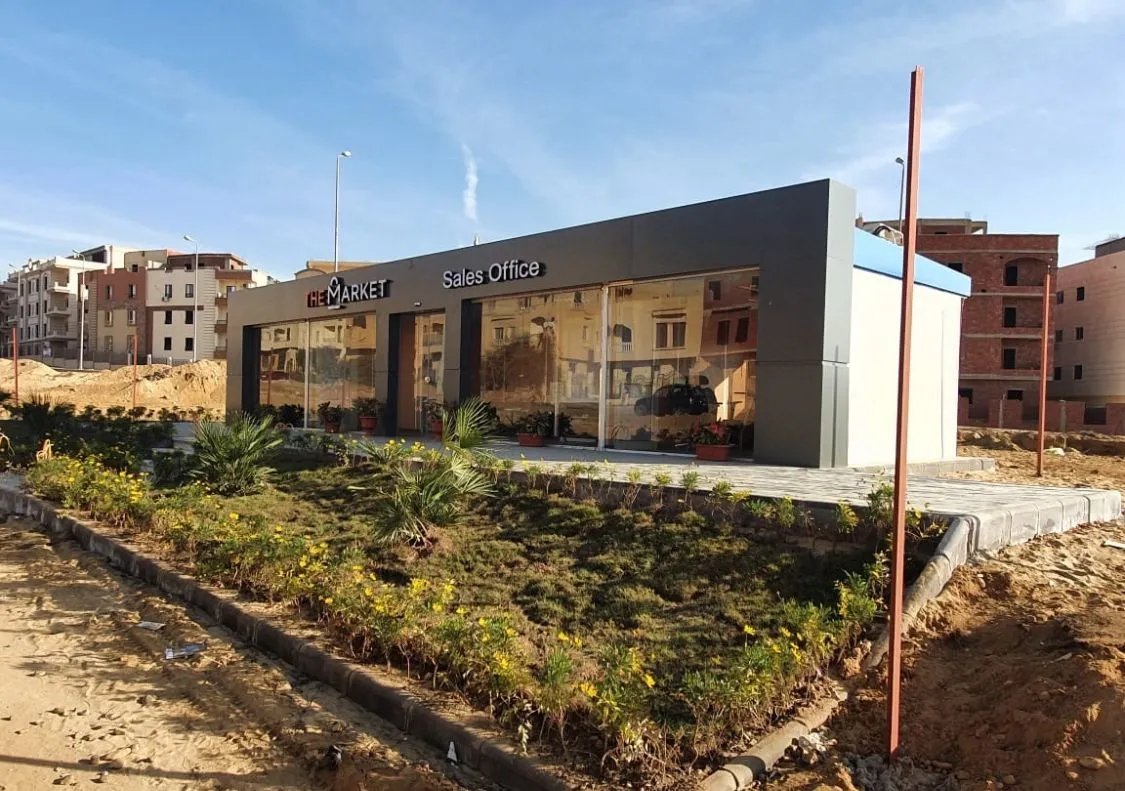
Prefabricated Buildings: The Future of Rapid and Economical Construction
In recent years, the concept of “prefabricated buildings” has become one of the most widely used solutions in the construction industry. These types of buildings contribute to accelerating the construction process, reducing costs, and achieving the highest levels of efficiency. In this article, we will learn about the concept of prefabricated buildings, their advantages, types, and uses in the Egyptian and global markets.
What are Prefabricated Buildings?
Prefabricated buildings are structures whose components are manufactured in factories or workshops and then transported to the site for assembly. These buildings are characterized by speed of execution, precision in design, and a reduction in the overall project cost compared to traditional construction.
Types of Prefabricated Buildings
1. Prefabricated Concrete Buildings
These buildings are constructed using prefabricated concrete components such as columns, slabs, walls, and roof cylinders.
Advantages:
– Time savings
– Heat and weather resistance
– Suitable for commercial and industrial buildings
2. Prefabricated Steel Buildings
Prefabricated steel buildings consist of a steel frame that is assembled on-site.
Advantages:
– Lightweight
– High load-bearing capacity
– Easy to transport and install
3. Prefabricated Wooden Buildings
Wooden buildings are more commonly used in countries with cold climates. These buildings are manufactured using pre-treated wood.
Advantages:
– Natural and aesthetic appearance
– Environmentally friendly
– Excellent thermal and acoustic insulation
Advantages of Prefabricated Buildings
1. Speed of Construction
Prefabricated buildings significantly reduce construction time, as the main components are pre-prepared. This contributes to faster project completion compared to traditional construction.
2. Cost Savings
By reducing construction time and material waste, prefabricated buildings contribute to lowering the overall project cost.
3. High Quality
Factory manufacturing allows for better quality control and precision. Additionally, components can be tested before on-site installation.
4. Environmental Sustainability
Prefabricated buildings are often constructed using recyclable materials, making them an environmentally friendly option.
5. Ease of Maintenance
Prefabricated buildings require less maintenance compared to traditional buildings due to their high quality.
Uses of Prefabricated Buildings
Commercial Buildings
Prefabricated buildings are commonly used for offices, shops, and showrooms.
Residential Buildings
These buildings are also used for villas, apartments, and quick-build residential complexes.
Industrial Buildings
Buildings such as factories and warehouses are often prefabricated to reduce costs and speed up the process.
Temporary Buildings
Prefabricated buildings are used in temporary locations such as camps, company offices at work sites, and mobile classrooms.

